
Blog
Jolene Gutiérrez on Writing Unbreakable with the Late Min Tonai (Special Guest John Tonai)

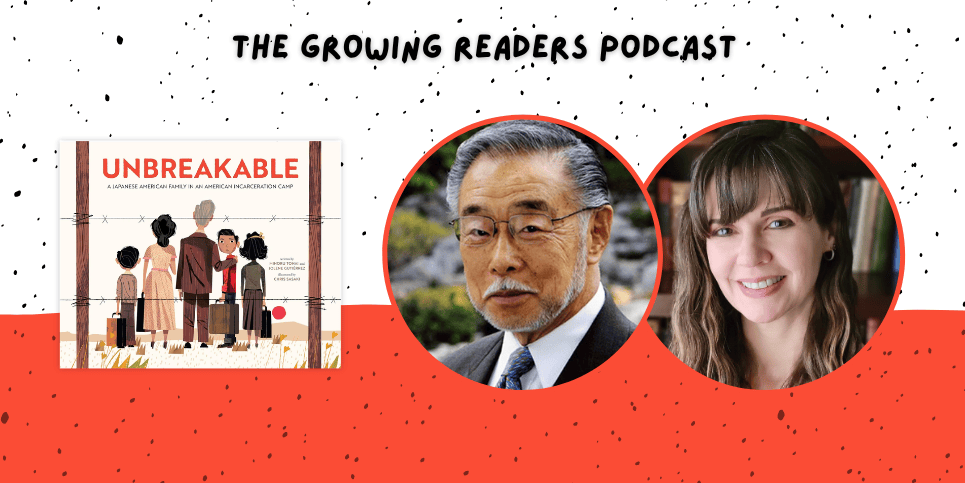
A podcast interview with John Tonai and Jolene Gutiérrez discussing Unbreakable on The Growing Readers Podcast, a production of The Children’s Book Review.
In this episode of The Growing Readers Podcast, host Bianca Schulze sits down with author and teacher librarian Jolene Gutiérrez and John Tonai, son of Minoru “Min” Tonai, to talk about the powerful picture book Unbreakable: A Japanese American Family in an American Incarceration Camp.
From Jolene’s childhood discovery of Amache—a Japanese American incarceration camp in southeastern Colorado—to her six-year collaboration with Min built on trust and a shared urgency to make sure this history reaches the children who need it most, this conversation is as moving as the book itself. John reflects on his father’s quiet advocacy, his own walk through the grounds of Amache, and what it means to carry a story forward when the storyteller is gone. A must-listen for educators, parents, and anyone who believes the best books make you feel something — and then make you want to talk about it.
Listen now to explore the story behind Unbreakable and why honoring the past through storytelling matters for the next generation.
Subscribe to The Growing Readers Podcast to ensure you never miss an episode celebrating the creators shaping young readers’ lives.
Listen to the Episode
The Show Notes

Publisher’s Summary: A powerful, emotional, and ultimately uplifting picture book about the real-life experience of a Japanese American boy incarcerated with his family during World War II.
Cowritten by Minoru (Min) Tonai, an advocate for Japanese American rights, Unbreakable is based on Tonai’s harrowing real-life experiences and has been welcomed with four starred reviews.
This moving picture book includes extensive back matter: information on the American incarceration camps and the campaign to release Tonai’s father, a timeline, a bibliography, author and illustrator notes, and questions for further discussion perfect for caregivers and educators to further engage young readers.
After the bombing of Pearl Harbor, strength comes in the form of the small, smooth stone Min’s father gives him before being led away by FBI agents. In his absence, Min and his family do their best to keep their produce business afloat and earn enough support to get Min’s father released. But the FBI won’t release his father, and soon, Min and his family are forced into an incarceration camp in Colorado.
Imprisoned on the dusty plains and facing both the pain of displacement and the injustice of being incarcerated by his own country, Min must learn to adapt and to find beauty―and strength―where most wouldn’t.
Cowritten by Jolene Gutiérrez, author of Too Much! and Mamiachi & Me, and illustrated by acclaimed illustrator Chris Sasaki, this is an inspiring and powerful picture book. Share it with young readers who are asking questions about justice, belonging, and what it means to be American.
Buy the Book
About the Authors
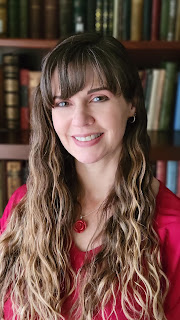
Jolene Gutiérrez grew up on a farm in northeastern Colorado, surrounded by animals, plants, and history. Now, she lives with her family and a variety of animals near Denver, where she is an award-winning neurodivergent teacher librarian who has been working with neurodivergent learners since 1995. Jolene writes for young readers and hopes her books will help some readers feel seen and will help others learn and grow in compassion. Her books have been printed in nine countries and eight languages and include the recipient of four starred reviews, Unbreakable: A Japanese American Family in an American Incarceration Camp (co-authored with Minoru Tonai); Mamiachi and Me: My Mami’s Mariachi Band (co-authored with her son Dakota); winner of the 2025 Crystal Kite Award for the Southwest Region, The Ofrenda That We Built (co-authored with her daughter Shaian); and Too Much! An Overwhelming Day. Jolene is represented by agent Kaitlyn Sanchez.
For more information, visit www.jolenegutierrez.com/
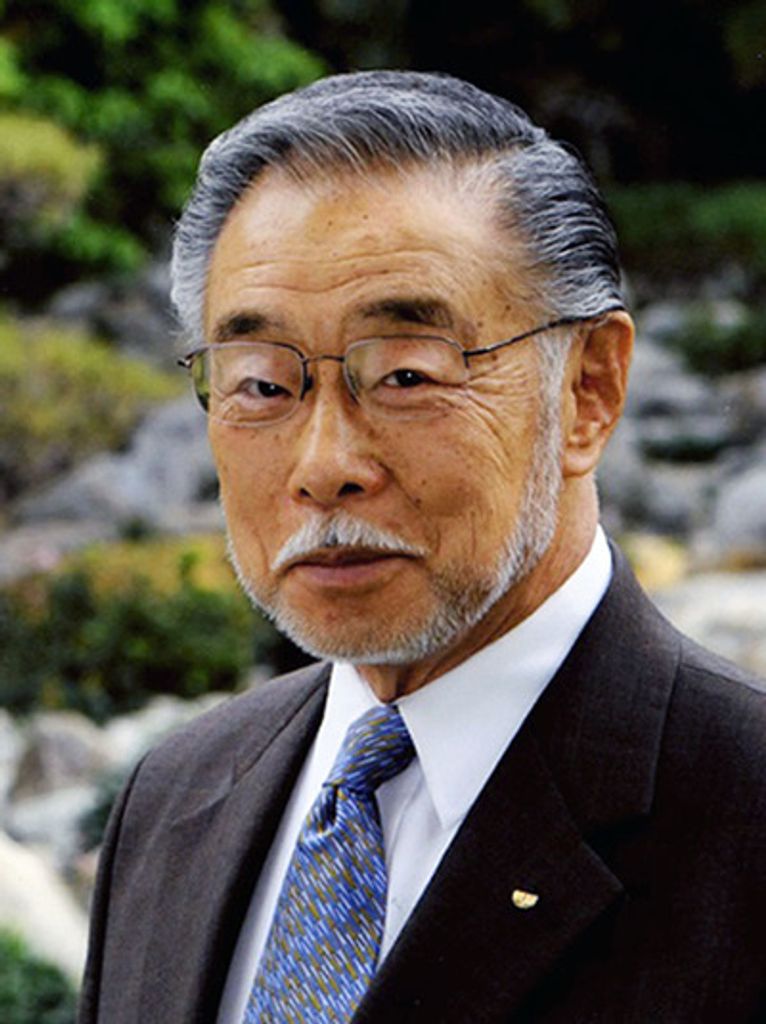
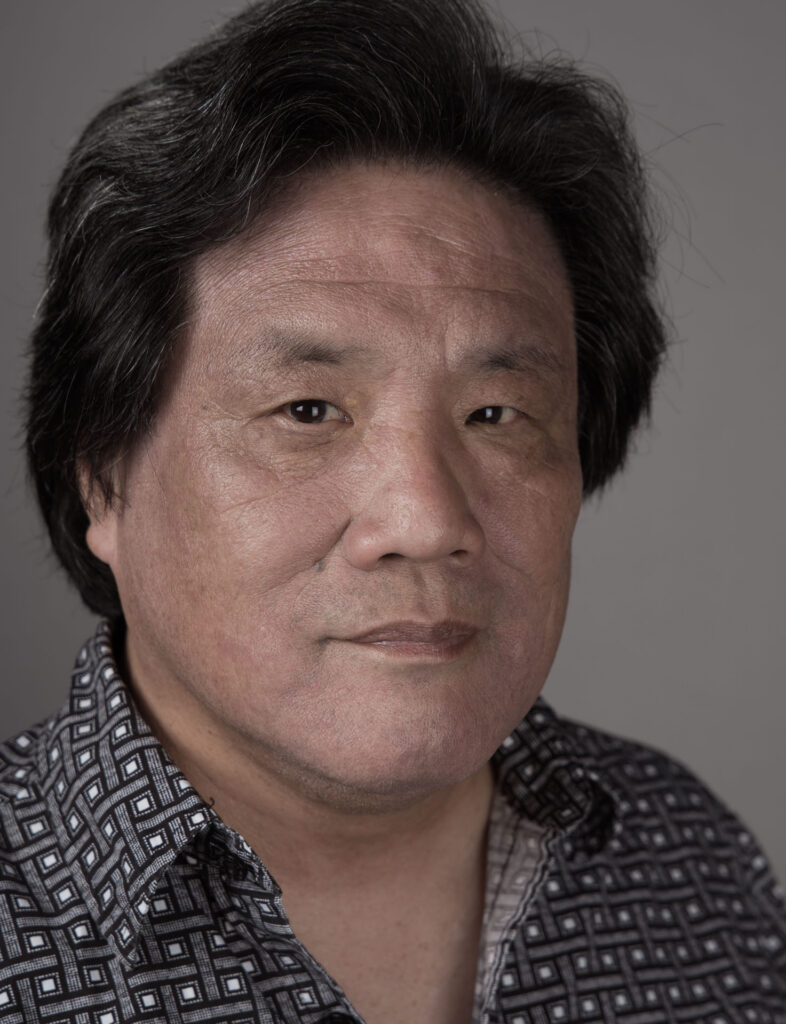
Minoru “Min” Tonai, born in 1929 and living to the age of 93, devoted his long life to being an outspoken advocate and leader in the Japanese American community. Incarcerated with his family at Amache in Colorado from 1942 to 1944, he was tireless in telling the story of what his family, and those of so many others, had to endure in camps throughout the country during WWII. As a Korean War veteran, he was active in an effort to bring recognition for the contributions of American soldiers in that conflict. And, as the son of a teacher, he was always passionate about the importance of education. He shared his experience widely with young students, encouraging them to speak up against injustice, so that what had happened to his family would not ever happen again. Min’s three children — Susan, John, and Teresa — continue to carry on his legacy.
About the Illustrator
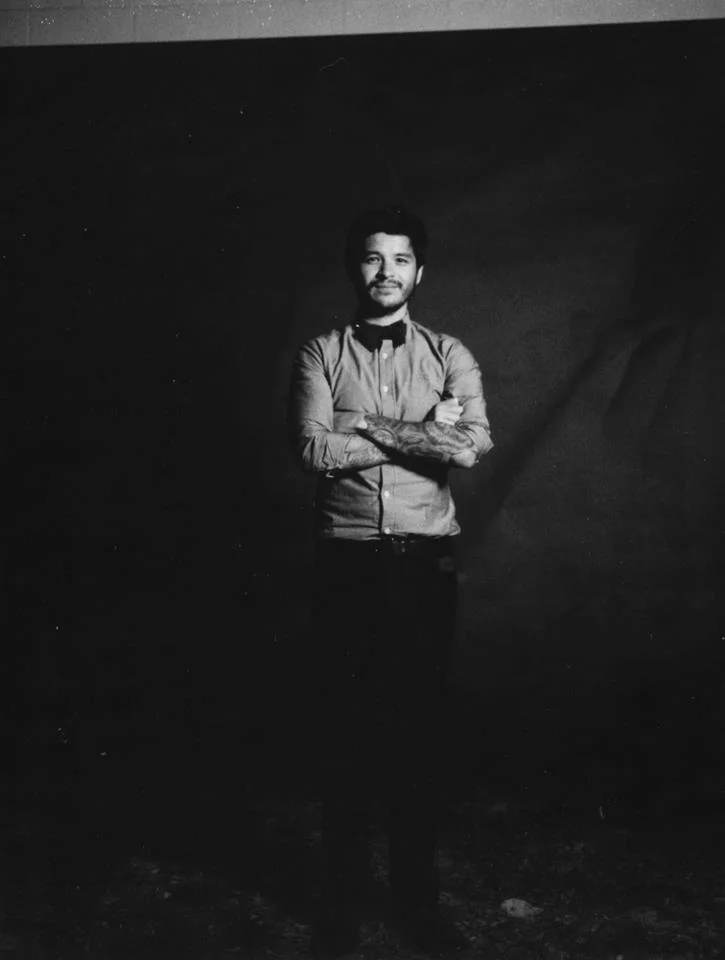
Chris Sasaki is an Emmy and Annie Award–winning animation artist. Along with their work on major motion pictures such as Monsters University, Inside Out, and Onward, they have illustrated several books for young readers, including Home Is a Window, a Notable Social Studies Trade Book for Young People, and Paper Son: The Inspiring Story of Tyrus Wong, Immigrant and Artist, winner of the Asian/Pacific American Award for Picture Book and the Dilys Evans Founder’s Award from the Society of Illustrators. Sasaki is based in Los Angeles, where they live with their dog, Ghost.
For more information, visit www.csasaki.com/
About John Tonai
John Tonai is the son of Minoru “Min” and Mary (Endo) Tonai. Minoru and his family were incarcerated at Amache, Colorado, while his mother’s family was imprisoned at Poston, Arizona. Unlike many other Japanese American families, John and his sisters grew up hearing about the incarceration and how it affected their families. This early exposure to his family’s involvement with the camps has led to a life of documenting, advocating for, and educating people about the Japanese American Confinement Sites. John is a digitization specialist at the Japanese American National Museum. He’s currently on the board of the Amache Alliance, and has worked with the Terminal Island Memorial Monument Committee and the Santa Anita Temporary Detention Center memorialization effort. He was the Fine Artist facilitator and interviewer for the 2020 Tadaima Virtual Pilgrimage and set up survivor interviews for the 2021 Amache Virtual Pilgrimage.
For more information, visit www.unbreakablemintonai.com
Credits:
Host: Bianca Schulze
Guest: Jolene Gutiérrez and Minoru Tonai
Producer: Bianca Schulze
Read the Transcript
Bianca Schulze: Hi, Jolene and John. I am so thrilled to have you both on the show today. This book that we’re here to talk about today, sincerely, is one of the most beautiful picture books I have ever read. And I mean that from the bottom of my heart. Before we dive into the book, I do want to acknowledge what a meaningful moment this is. John, your father passed away in 2023 before this book was ready to come into the world. What does it mean to you to see your father’s story, his lived story, published as a picture book for children?
John Tonai: Well, my dad — as long as I’ve known him — always told us, and whoever he came across, the story of his life at camp. And he was also always very interested in educating the next generation so that people know what’s happening. And so when he first came to talk to me about it, he was talking with this woman named Jolene about writing this book. He mentioned that it was going to be a children’s book. We thought it’d be really great because there are a lot of books for adults about the incarceration, but there aren’t a lot of books for kids — they’re just hard to find. And so to be able to reach out to kids at a point in their life where they’re in their formative years of understanding and making decisions — he was really excited about it.
Bianca Schulze: Yeah. Well, I happen to love this woman, Jolene. She’s such an amazing human being. And so, Jolene, you worked closely with Min to bring this book to life. Can you take us back to the beginning of that collaboration? How did the two of you find each other? And what was it like working alongside him?
Jolene Gutiérrez: Wow, I did not expect to be emotional this early on. I learned about Amache, the incarceration camp in southeastern Colorado where Min and his family were held, when I was about 12 years old, from my grandparents. And so for me, it was so important to share that story. I didn’t learn it in my history classes. I wanted others to know about this history. And as a teacher librarian, I started teaching that history. And then, because I also write, I thought, wow, maybe it would be a good thing to have a book out there about Amache — pulling together interviews and facts and things like that. And I was doing that work, and a friend of mine, Dan Yoshi, said, “Have you talked to Min Tonai?” And I said, no. And he put me in touch with Min, and we talked. I mean, I don’t know how long that first call was, but he told me so many powerful stories about his experiences. And I thought, I don’t know if it would be as powerful to just lay out a bunch of interviews in a nonfiction book as opposed to telling one person’s story. I felt that if readers could put themselves in Min’s shoes and walk with him through this experience, that might be more powerful. And so I asked if he’d want to work together on telling his story. That was 2017. And 2023 is when we signed the contract.
Bianca Schulze: Yeah. Well, John, did your father talk about Amache often growing up? Was it something he shared openly with your family, or something he came to speak about more over time? And what do you most want listeners to know about who he was as a person and as an advocate?
John Tonai: Well, I mentioned he always talked about Amache. I was born in 1960, and I know that maybe around ’65 or ’66 is when I first remember stories about Amache. He also got my mom to talk about it too, but he mostly talked to family for the longest time. And then my oldest sister was in a class — this amazing class that I got to take in junior high school later on called American Intercultural Heritage. Mrs. Voucher was the teacher, and he spoke in my sister’s class about the camp. That would have been in 1971, I think, and that was the first time he spoke to another group of people about the camps. After that, he would seek out organizations, a lot of schools, school groups — whenever he could, he’d talk about it. As an advocate, my dad was not your typical person to get out in front of people and stand on a soapbox. He would rather talk to people in organizations like school groups, groups of people. And he was also the kind of person who would rather go behind the scenes — help raise money, help get people organized behind a project — rather than being the front person. And so sometimes it’s really odd to hear the word “advocate” with my dad, because when I hear “advocate,” I see people like Jesse Jackson. In our community, Satsuki Ina is an advocate — people out front, motivating people to do things, leading the charge. My dad was the person behind them, getting a bunch of other people to listen to them and pay attention to them.
Bianca Schulze: Yeah, I love that. Well, Jolene, as you were recording and shaping Min’s memories, were there moments that surprised you — things that he shared that you hadn’t expected? And were there things that were difficult for him to revisit while you were having those conversations?
Jolene Gutiérrez: Yes, there were things that surprised me because he shared so much. I should also say Densho is an organization that does a lot of oral history recording and sharing of primary sources, and there are two different interviews with Min there where people can go and listen to his stories as well. But through the stories that he shared with me — and this is part of why I wanted to focus on his stories — he put me there. Telling me about the assembly center at Santa Anita, the horse stalls they were housed in, how they had just been whitewashed with a thin coat of whitewash, and they stank of urine, and there was hair and feces from the horses that had been held there, and they were expected to live there and make a life. I could be there with him through the things he shared. The freezing cold at Amache, the sand blowing everywhere through the cracks of the uninsulated barracks, the sand that got in their food, and then being away from their father — because Min’s father had been taken right after Pearl Harbor was bombed. All of the fear and the uncertainty, the lack of privacy in the bathrooms, the poor food in the mess halls — all of those things he shared put me there, and I wanted kids and readers to be there and understand how horrible this was.
Bianca Schulze: I guess the second part was: when you were having these discussions, were there any parts of those moments that were difficult for him to express or get out?
Jolene Gutiérrez: Even though those were horrific times, he was very open and very certain that he wanted to share his stories so that injustices like this would never happen again. And I think that was the fire that I saw in him. I also wanted to be sure that his story lives on, because he was telling his story not for himself. He was telling this story so that it never happens again.
Bianca Schulze: Yeah, I think that is the key part. And as much as I say that this book, Unbreakable, is one of the most beautiful books I’ve ever read, I’m going to say it’s one of the most frustrating books — because why should it still be relevant today? John, do you want to add anything on just why a book like this is important, but also how it’s frustrating that it’s still important today?
John Tonai: Well, as Jolene said, it’s important because the goal is that it never happens again. The fact is, it does. After 9/11, for instance, the anti-Islamic sentiment that went through this country — there were people who immediately blamed anybody from the Middle East. They didn’t know. But there were some people who knew of the past and understood that you can’t blame an entire group of people for the actions of an individual or a small group. Recently, it’s been very frustrating. I’m glad my dad isn’t alive to see this again. Because in a way, I think it’s worse — the way that American citizens have been targeted, an entire group of people who have been so productive to our country now being attacked because of where they came from. So I think that when my dad would talk about these things, it wasn’t for him. He’d say it wasn’t really for me or any of my generation, because he knew that wasn’t likely to happen. He wanted us to be aware of it so that in future generations, people don’t keep forgetting. So I think that’s why it’s important.
Bianca Schulze: Yeah. I think something important to me about this book is that whatever hard things we encounter in life — and obviously what your dad encountered was too much, truly too much — no matter what hard thing anybody is experiencing, I think what this book shows is a through line of love. It’s our family bonds that can help pull us through these moments. And so there’s the image of this stone, the small smooth rock Min’s father places in his hand before being taken by the FBI, and it’s really powerful. Jolene, can you talk about how that detail made it into the book and why it became such a central symbol for the story?
Jolene Gutiérrez: Yes, that detail made it into the book after lots of discussion, because that is the one fictional element within the story. The stone that Min’s papa handed to him wasn’t actually handed to him at that point. And Min was so careful with his stories and the truth that it was a really hard thing for him to add. It is true that Min and his father would go and collect rocks in different places and create rock gardens both before and after World War II. Min’s father did have rocks that he brought to Amache — those pieces are all true. And the story of the rocks in the suitcase — I heard that for the first time at a virtual pilgrimage in 2020. I can’t tell you how many hours Min and I spent talking and editing and crafting over the years, but I hadn’t heard the story of the rocks in the suitcase until then. Min was telling parts of his story, and that was mentioned. And I thought: it’s the rocks. Rocks would be this beautiful through line. And Min agreed, but he did not want to include something fictional. So we added a note in the author’s note acknowledging that that piece is fictional. And I think that was the right thing to do, because this is not entirely nonfiction — we’ve added that element. But I think it allowed Min to feel okay with us including that symbol of the love and the strength that carried the family through.
Bianca Schulze: Yeah, because love and strength aren’t necessarily visible things — they’re more what we feel. And I think having that tangible object makes it easier for kids to attach themselves to that message. And I thought it was beautiful. I don’t want to do any spoilers for anybody who hasn’t read the book, but the stone and how it culminates into such a lovely ending — I would be surprised if there are many dry eyes at the end of the story. Well, Jolene, let’s stay with you for a moment longer. You mentioned before our conversation that your favorite moment is when Min’s father finally arrives at Amache with a suitcase full of rocks from every prison he’d been held in, and the family uses them to make a garden. And it’s stunning. Can you talk about what that scene means to you and how the rock garden shaped the emotional arc of the story?
Jolene Gutiérrez: Yeah, as I mentioned, that was kind of the aha moment. I am a rockhound myself. Rocks have always been important to me. And so just hearing that — here is this man who was taken by the FBI, Min’s papa was taken by the FBI and held in various prisons because they kept moving people, and one of the things he chose to do was preserve this time by collecting these rocks. That spoke to his strength of spirit and his ability to see beauty in a horrific situation, and then to bring those rocks back and create something with the family — something beautiful, something that was going to stay there after they were gone. We have college students who do archaeological digs at Amache and have found some of the different gardens there. So it lives on. It shows this strength. It just took my breath away hearing Min talk about it, and I knew it needed to be part of our story.
Bianca Schulze: Yeah. Well, John, you grew up hearing your father’s stories. Many people didn’t want to talk about this period at all, and I think that’s common whenever there’s something hard in our lives — it’s often easier not to talk about it. What was it like to grow up with that history present in your home? And then, having grown up hearing those stories, what was it like to hold this picture book in your hands and read your father’s story from beginning to end?
John Tonai: The story told in this book, with the exception of the little rock, is the story we’ve heard. So I can verify — this is something we’ve known forever. The translation from the stories he told us to the story told through the book is basically the same. Actually, wait — let me grab something. Sorry, let me get this here. Okay. Yeah. So this is one of the rocks that my grandfather brought back. I think this one came from Santa Fe and then went to Amache. They had a little collection there — I don’t think my dad considered it a proper garden at Amache, but they had the rocks. And then he took it home. Then, much to my dad’s chagrin — my grandfather actually never gave my dad rocks. They got them together. That was a big difference — they’d gather rocks for the gardens and ponds that my grandfather made. But my grandfather gave me a bunch of rocks. And the only rocks my dad ever really got were two rocks my grandfather brought from his hometown in Japan and put in the front yard of his house. When that house was sold, they went to my dad’s house. And after we sold my dad’s house, my sisters each got one of those, because they had never gotten rocks from my grandfather. But when I look at the emotional aspect of the story — my grandfather lost his business. He was very ambitious, a very driven businessman. He lost that ambition and drive. When we were growing up, my dad would talk about his life at camp; my mom would talk about it too, even though she mostly did it because my dad encouraged her to. None of my friends ever knew about camp. They knew it existed, they knew it had happened, but whenever they’d ask their grandparents or parents, those people wouldn’t talk about it. The only people in my family who knew about the camp were the ones my dad told — we were never allowed to ask my grandparents. It had hurt them so much that my dad said never ask them about camp. So it’s almost like my grandfather giving me these rocks was his way of saying it. He mostly only spoke Japanese, and I didn’t, so most of our communication was pointing and grabbing — you know, rocks and things like that, handing them to me. That’s kind of how we connected for a long time.
Bianca Schulze: How special that you have that rock there in your hand. Since this is a listening platform and our listeners can’t see it — do you want to describe it? What does it look like, and how does it feel?
John Tonai: Yes. It’s a small piece of petrified wood, maybe eight inches long. It’s mostly brown with a couple of light areas of yellow in it too. But it shows the striations and the rings of the wood.
Bianca Schulze: Yeah. Well, Jolene, your prose in this book is seamless. It’s deliberate, and it builds to that final paragraph of real emotional resonance. Can you talk about the craft of writing the story? How do you find the line between honoring the weight of this history but keeping it accessible for young readers?
Jolene Gutiérrez: Yes, and we had lots of years to craft this story, and I think that is part of its polish — going back and forth over time. We tried this story as a picture book, but we didn’t have that through line at that point. We tried it as a shorter middle grade chapter book, and as a graphic novel script, and then back to a picture book. I think having spent that much time with the story helped a lot. Min would write his edits, but he was a businessman. And then we would go back and forth, and I’d say, “Min, we have to remember this is for children, and we have a thousand words or less to tell this story. We really have to condense.” So between going back and forth over the years, whittling it down to the most essential parts — you want to tell kids everything so they understand the severity and how horrific the situation was, but you don’t have the words and space to tell everything. You have to whittle it down to the heart. But I also firmly believe kids can handle and should hear hard truths. Including some of the really hard things within the story was really important to me. As a teacher and as a parent, I want my kids to feel a little pain so that they can grow as humans, so they can be better. We can’t shy away from some of the harder things. We need to include some of the things that will hurt, because the kids are invested — and then they’ll hopefully be better humans.
Bianca Schulze: Yeah. Well, I have to ask, because Chris Sasaki’s illustrations are extraordinary. Were there any images that especially moved you when you first saw them? John, why don’t you go first — is there a specific illustration that moved you the most?
John Tonai: It’s hard to pick one because they moved me in different ways. The one that almost caused me to catch my breath was the illustration of the family looking up with the guard tower looming ominously in the background, in shadow. But I think the one that stands out most of all is the cover. Without any words, just to see my dad looking back — or possibly looking forward, depending on your point of view — it’s something that captured the fact that even as a kid, he knew this was going to be important. It wasn’t just like a lot of other people living day to day. He saw something else in it. So I think that one does it.
Bianca Schulze: Yeah. Jolene, what about you?
Bianca Schulze: Yeah. Well, Jolene, as an educator, how do you see teachers and caregivers using this book? The back matter is extensive — there are timelines, discussion questions, and a bibliography. How do you see this being used in a classroom or by homeschooling parents? And was that always part of the vision once you knew it was going to be a picture book — that you wanted back matter so it could be used in an educational setting?
Bianca Schulze: Yeah, wonderful. And we’ll make sure to include links to things you’ve mentioned today in the show notes, so if anyone wants to dig in further, they can. But John, what do you hope young readers — kids who pick this up in a classroom or a library — take away from your father’s story?
John Tonai: Well, I think it goes back to what Jolene said about my dad being a businessman. For years, a lot of his stories had to do with camp — the factual things about what happened. And I kept trying to get him to talk more directly about his life, which Jolene didn’t really mention — my dad is famous for three- or four-hour interviews with people. So the information you get from him is enormous. For Jolene to be able to whittle that down to this book was just amazing. And to capture him — I thought she did a really good job of capturing him. Part of what that is, I’ve known him as an adult my whole life, and I don’t know if the story he told back then is one a kid could necessarily relate to. And so for a kid today to read the book and maybe see a little bit of themselves in it — it doesn’t have to be as horrible, or it could even be worse — I think he and Jolene did a good job making a story that could be approached by a lot of people. I also think it may be more about the parents than the kids. Because if a kid just reads the book and likes it, it’ll affect them and influence them. But if the book can be read by the kid and the parent together and they discuss it — and then they can bring in what’s happening with different groups of people today — it becomes something repeated. It becomes a greater part of their life than it would be if it was just, “I read the book, I liked the book.” I had favorite books when I was a little kid, but they were just stories. They weren’t anything that shaped who I am. So I think when you look at this book, and it’s targeted for a younger group of people, I think it could still apply across ages.
John Tonai: You know, a kid in a big world for me would be: a kid reads a book, reads it with their parents, they talk about it, the parents go out on a date, they get a babysitter, the kid brings out their favorite book and has the babysitter read it — and then the babysitter and the kid can have a discussion, and it goes on from there. And to me, that would be something I think my dad would really love.
Bianca Schulze: Yeah. There are a few different reasons I love to read kids’ books — any kind of book, really. And something that comes up for me often is I love a book that, when I get to the last page, I feel something strongly. That can be laughter, joy, sadness — this emotional resonance. But this book, I get to the last page and I’m left with so many feelings. That’s what I love about it. But I also love a discussion book — a book that when you’re done, you need to talk about it. You want to talk about it, and it can lead you down a path to becoming a better human being because you’ve read it. So I loved what you said, John, because that’s why I love this book so much — it’s a feeling book, but it’s also a discussion book. And those are so important. Jolene, Min passed away before seeing this book published. Do you find yourself thinking about what he would have felt as you hold the finished copy? And what do you hope he would have said to you?
Bianca Schulze: Yeah. Well, John, as Jolene just said, your father signed the book contract and was even part of choosing Chris as the illustrator before he passed. You and your sisters, Susan and Teresa, have done so much to help bring this book into the world since then. As your father’s children, what was the process like for your family? And what do you think it would have meant to your dad to see it finally here, finished, and being read by people?
John Tonai: Well, boy. It’s hard to say what I think he would have felt. I think he would have felt proud of it. I think he would have wished it were ten times longer. And I want to go back to something Jolene said about signing the book. Something that my sister and I — the hardest thing we’ve been working on — is figuring out, when we go to events with Chris or with Jolene, how do we sign for my dad? That has been the hardest thing, because we can’t just sign his name. It isn’t him. He was very proud of his Japanese heritage, and we decided we were hoping to find his hanko, his stamp. It got packed during a move and we don’t know where it is right now. And also the ink takes so long to dry that it probably wouldn’t have been practical anyway. So my sister Teresa designed a hanko for him. And even at this point we’re still trying to figure out how to deal with that, because we endorse the book — we know he would have endorsed the book — but it’s not ours. His story, unfortunately, won’t be told in his voice anymore. And this book, along with any number of the interviews he gave, is one of the ways he stays present for people. I mean, like I said in the beginning, he would always talk about the camp, and then he started eventually talking about his life more broadly. And talking about his life was difficult for him — he was in accounting, very much into numbers, not stories. He was a very good storyteller, but it’s something where I just wish — I wish he could have seen it. I wish I could have heard from him exactly what he felt about it. And I think that’s one of the joys of a book. The words are there, they’re fixed, they’re finite, but the interpretations are infinite.
John Tonai: I would hope that people can get their own life, their own story, out of his story. And I think that’s what he’d want.
Bianca Schulze: Another favorite thing for me about books is — your dad was the storyteller sharing the story, and Jolene found the way to put it into words. So even if it’s your dad’s story and partly Jolene’s story now, it also becomes neither of their story once it lands in the reader’s hands. It becomes the reader’s story and what they choose to do with it and move forward with. John, what a beautiful response. I love that. So, Jolene, if there was just one thing our listeners took away from our conversation today, what would you want that to be?
Bianca Schulze: John, do you want to add anything? One final thing to share with listeners? Such a great response from Jolene.
John Tonai: Yeah. I think because my dad talked about his life so much growing up, I remember there was a point — especially around camp — where none of my friends knew about camp. Most of my relatives didn’t really know about camp other than that it existed. And we were so tired of hearing about camp. But when I did a photo project where I photographed Amache — and Amache is unique among the ten camps in that the foundations are still there — he told me his barrack number and I could walk through his front door into his room. At that time, I had kind of forgotten a lot of his stories. But because I had heard them so many times, when I walked there and I could see the things he’d told me — I could walk down the road he walked down with his friends — all of those things came back. I think it’s important to not just listen to their stories, but to let them repeat them. Let it accumulate. You may get tired of it for a while, but eventually you’ll really learn to appreciate it. It’s like with Indigenous cultures, where they have a narrative culture — stories get handed down by story, not by written word, repeated over and over again. I think that’s really important. I didn’t understand that until that day at Amache when I realized that everything I had seemed to forget on the surface had been deeply ingrained in me all along.
Bianca Schulze: Well, John and Jolene, thank you so much to both of you for being here and for sharing Min’s story with such care and generosity. John, it’s clear that your father’s spirit is very much alive in this book and in the people who loved him. And the way you and your sisters, Susan and Teresa, have helped carry this project forward is a beautiful testament to that. And Jolene, the gift you’ve given young readers — and honestly, as John said, readers of all ages, because hopefully parents and teachers and educators are sharing this alongside the kids — what you’ve given in bringing this story to the page is something so truly special. Unbreakable is exactly that. It’s special. And I hope everyone listening will pick up a copy and share it widely, because I’m going to go full circle back to the beginning: this is one of the most beautiful books I have ever read. Thank you both for being here today.
John Tonai: Thank you.
*Disclosure: Please note that this post may contain affiliate links that share some commission. Rest assured that these will not affect the cost of any products and services promoted here. Our team always provides their authentic opinion in all content published on this site.